Age-Stage Retail
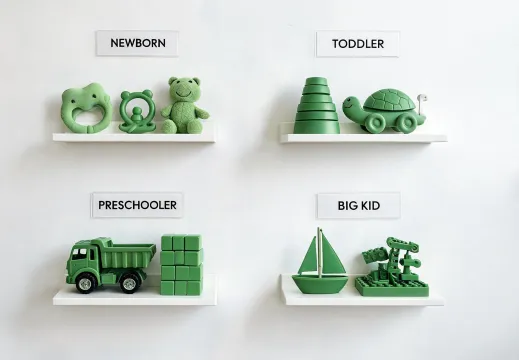
Green Toys can be arranged by newborn, toddler, preschool, and big kid needs. This helps staff avoid abstract product talk and gives shoppers a fast path from child stage to useful item.
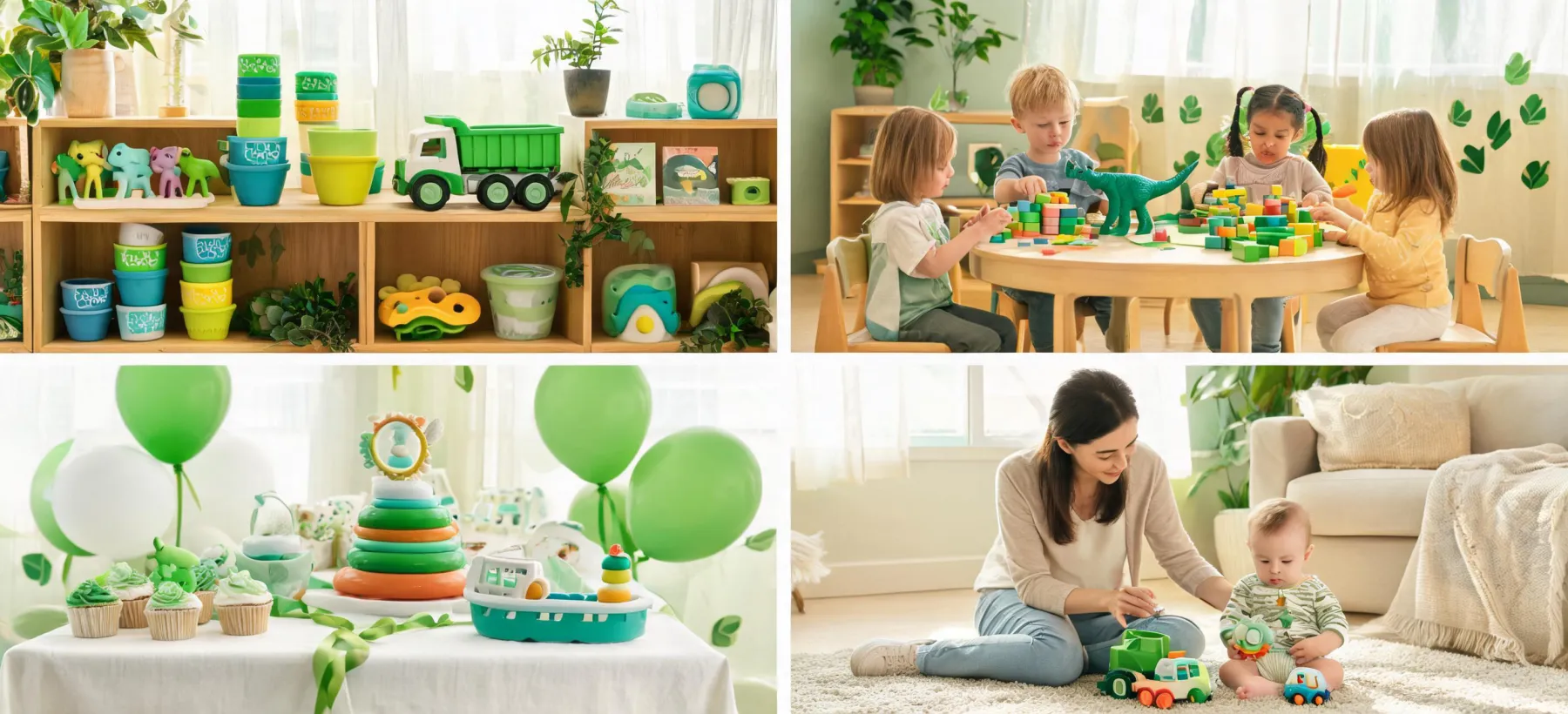
Families do not shop by manufacturing category. They shop for a new baby, a classroom shelf, a birthday table, a preschooler who loves vehicles, or a quiet product that will not be thrown away quickly.
Green Toys can be arranged by newborn, toddler, preschool, and big kid needs. This helps staff avoid abstract product talk and gives shoppers a fast path from child stage to useful item.
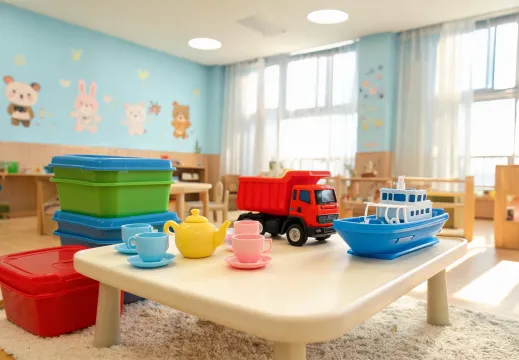
Shared environments need pieces that are easy to wash, easy to spot, and broad enough for multiple children to join a story. Role-play and vehicle sets support that cooperative rhythm.
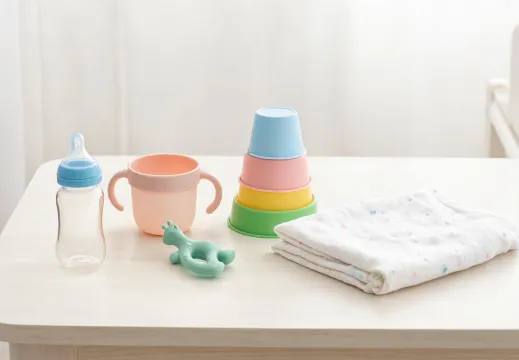
Feeding care works best when it sits near first-play products. The same material clarity that matters for bottles, cups, and teethers can introduce responsible toy choices.
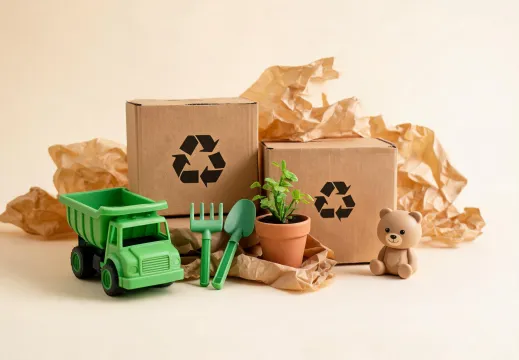
Gift shoppers need confidence more than complexity. A tight selection of vehicles, tea sets, stacking items, and feeding-care extras can turn sustainability into a simple buying reason.

Older children and collectors respond to small worlds that look organized. Green Toys keeps the display disciplined, with durable pieces and less disposable novelty.
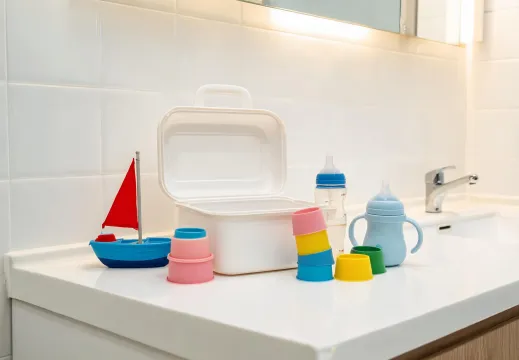
Bath, feeding, and travel moments create natural add-on logic. Products that clean easily and store neatly can stay useful through the everyday routines families repeat.
These numbers are intentionally small. A minimal, useful Green Toys plan is easier to maintain than a crowded wall of similar items. The collection becomes stronger when each product earns a reason to be present: feeding support, role-play value, collectible display, age-stage clarity, or sustainable gift appeal.
Share your store type, age range, and priority product family. We will suggest a focused Green Toys mix that does not make shoppers work too hard.